Are You Still Paying Electricity Bills That Could Buy You a Holiday?
Australian households waste an average of $2,400 yearly on energy that the sun provides for free
Discover How
Last winter, Sarah Henderson from Brisbane opened her electricity bill and felt her stomach drop. $847 for three months. Her husband worked overtime to cover it. Their teenage daughter stopped using the air conditioner in her room during homework.
Three months later, their bill arrived at $31. Not because they used less power. They actually used more.
What shifted wasn't their consumption. It was where their energy came from.
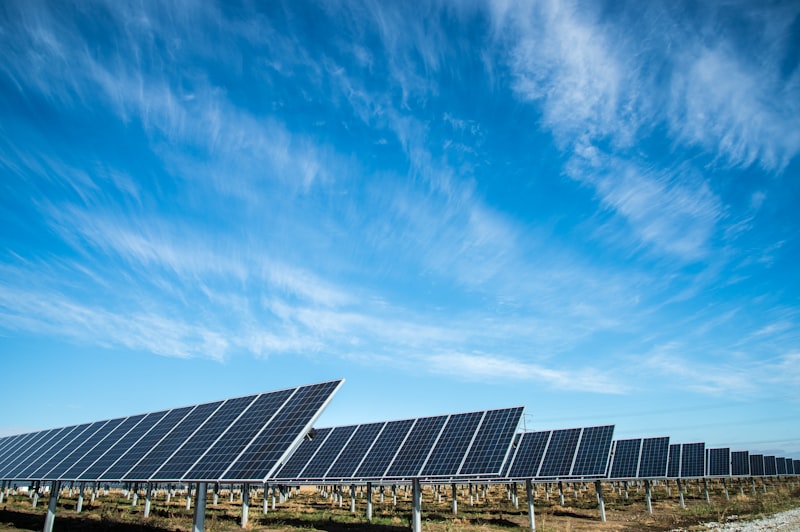
Energy providers increase rates by an average of 7.3% annually in Australia. That compounds.
A family paying $1,800 today will pay $2,900 within ten years for the exact same usage. That's $24,500 over a decade just covering inflation and rate increases.
Meanwhile, the sun delivers 22,000 times more energy to Earth than humans consume globally. Every single day.
See The Alternative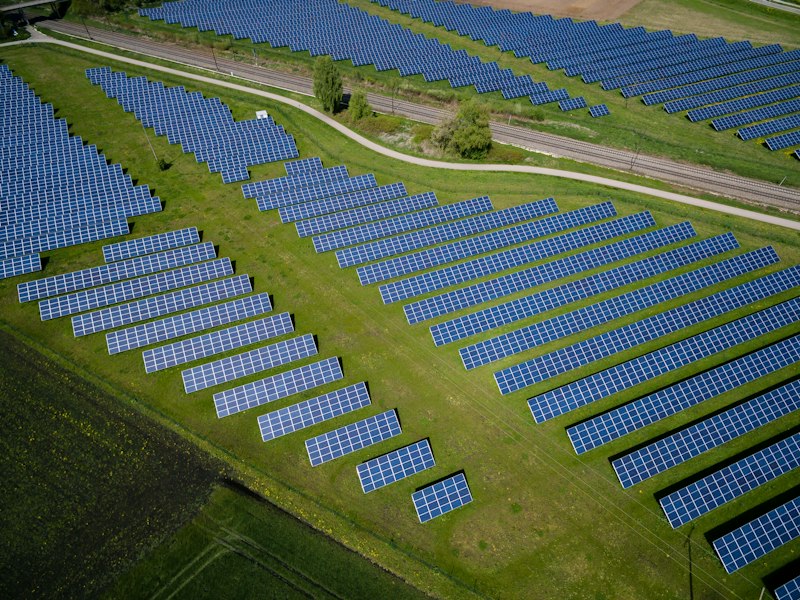
Six years ago, solar technology was expensive and inefficient. Panels degraded quickly. Batteries couldn't store enough power for overnight use. Payback periods stretched beyond fifteen years.
The technology crossed a threshold in late 2024. Modern photovoltaic cells now convert 23% of sunlight into electricity, up from 15% in older systems. Battery storage has tripled in capacity while costs dropped 68%.
More importantly, Australian energy prices have risen faster than anywhere else in the developed world, cutting the payback period from fifteen years to under four.

"We installed the residential system in March. By July, our bills went from $680 quarterly to $28. The system paid for itself in savings within three years, and now we're actually selling excess power back to the grid."
"Our manufacturing facility was spending $18,000 monthly on electricity. The commercial installation cut that to $3,200. We're recovering the investment in under five years and reducing our carbon footprint significantly."
"I was skeptical about battery storage until the storms last November knocked out power for two days. Our neighbors had spoiled fridges and no heating. We didn't even notice the outage."
Average Australian household electricity consumption sits at 19 kWh daily. A standard residential solar system generates 25-30 kWh on sunny days, 12-15 kWh on cloudy ones.
With battery storage, excess daytime generation powers your home after sunset. You draw from the grid only during extended cloudy periods or unusually high consumption.
Reduce grid dependence by up to 92%, insulating yourself from future rate increases and supply disruptions.
Homes with solar installations sell 4.1% higher on average, according to recent Australian property studies.
A typical residential system offsets 4.5 tons of CO2 annually, equivalent to planting 210 trees each year.
Current rebate programs can reduce installation costs by $2,800-$4,200 depending on system size and location.
Every system is engineered to withstand the unique challenges of the Australian climate, from coastal salt exposure to extreme heat cycles.

Complete home energy systems including roof-mounted panels, inverters, and monitoring. Designed for maximum efficiency in suburban and regional properties.
$4,850

Enterprise-scale installations for warehouses, factories, and office complexes. Includes energy management software and grid integration.
$12,750
Lithium-ion battery banks that store excess generation for nighttime use. Provides backup power during outages and maximizes self-consumption.
$7,200
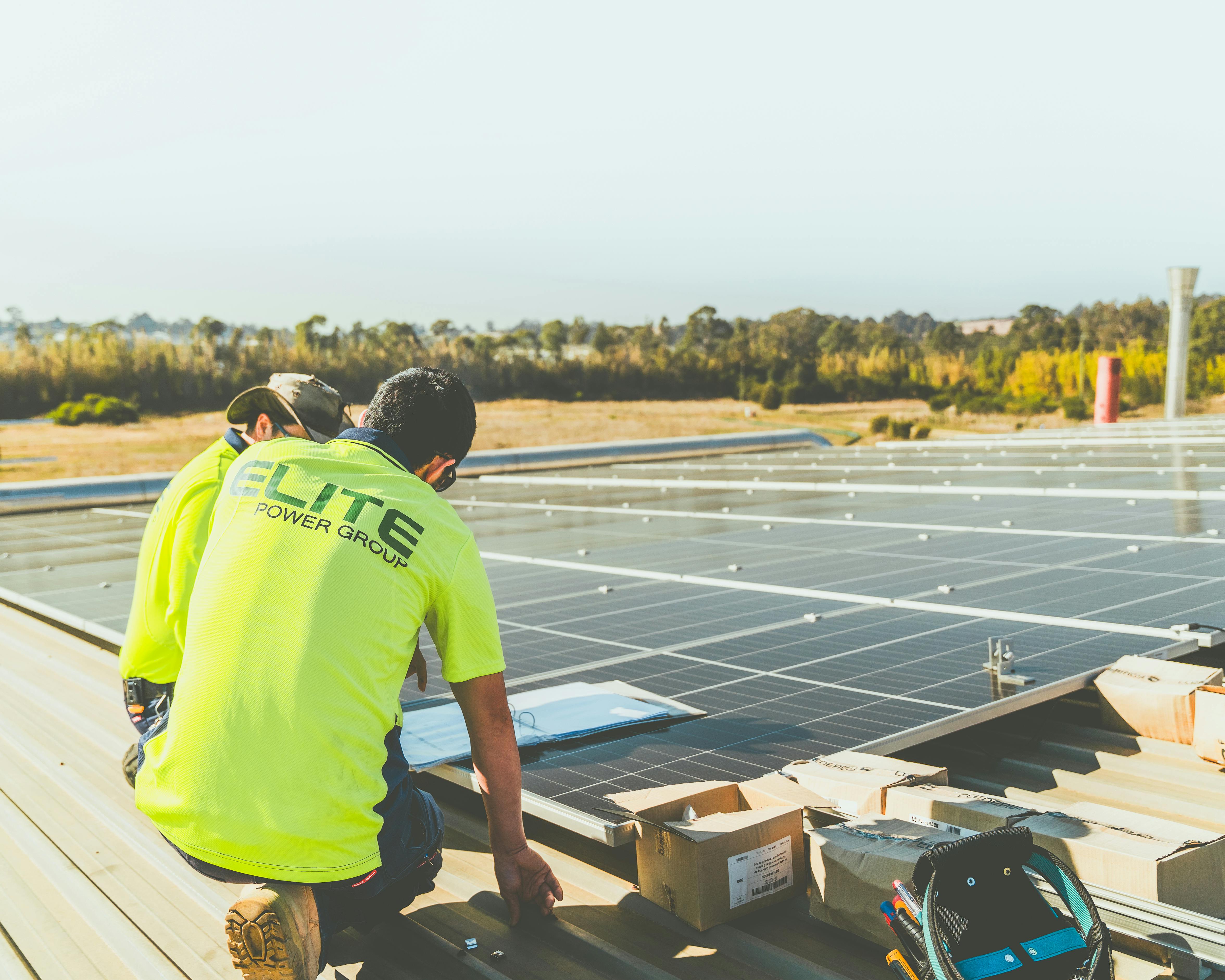
Annual inspection, cleaning, and performance optimization. Ensures panels maintain peak efficiency and identifies potential issues early.
$385
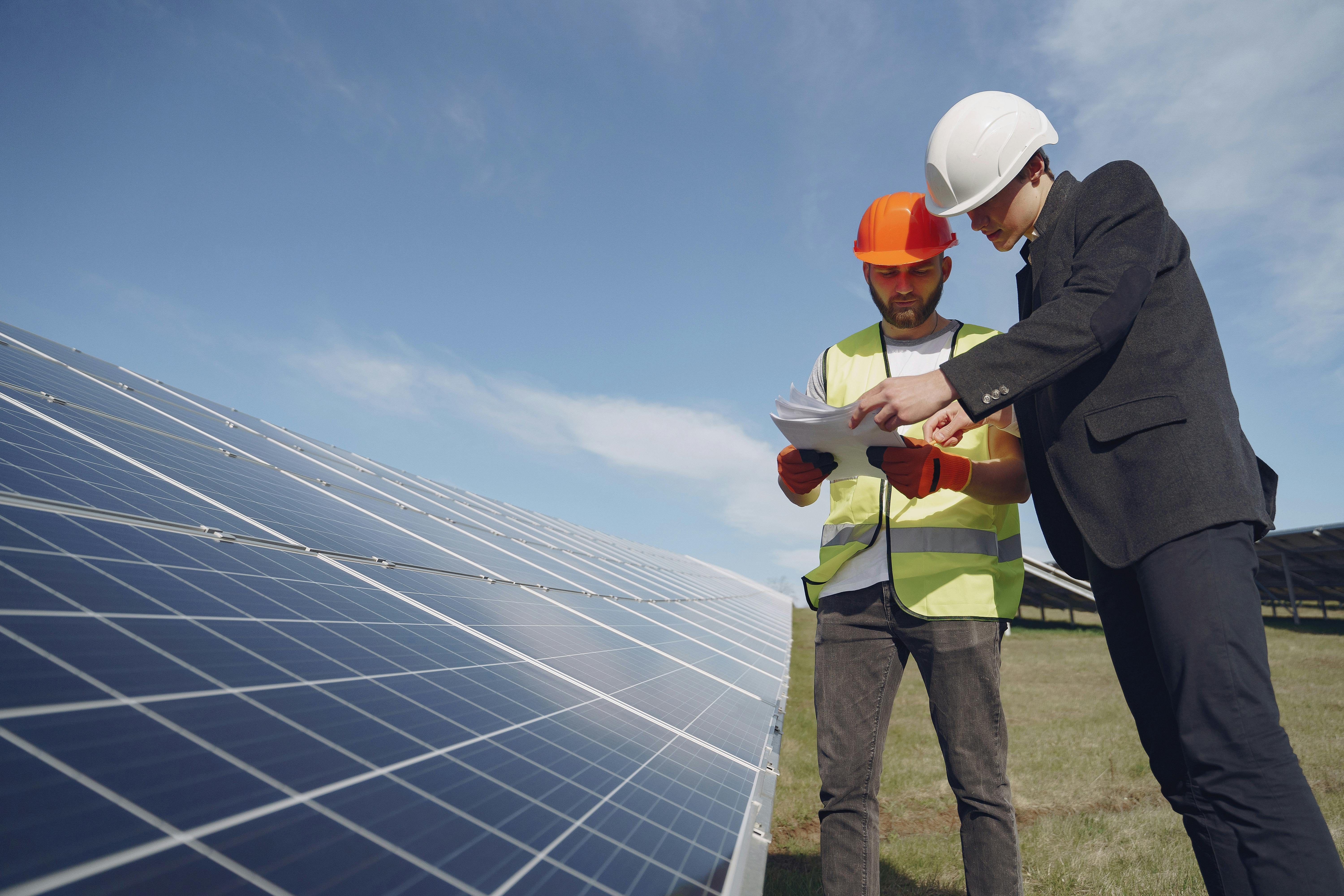
Comprehensive analysis of your current energy usage and customized solar system recommendations. Includes ROI projections and financing options.
$295
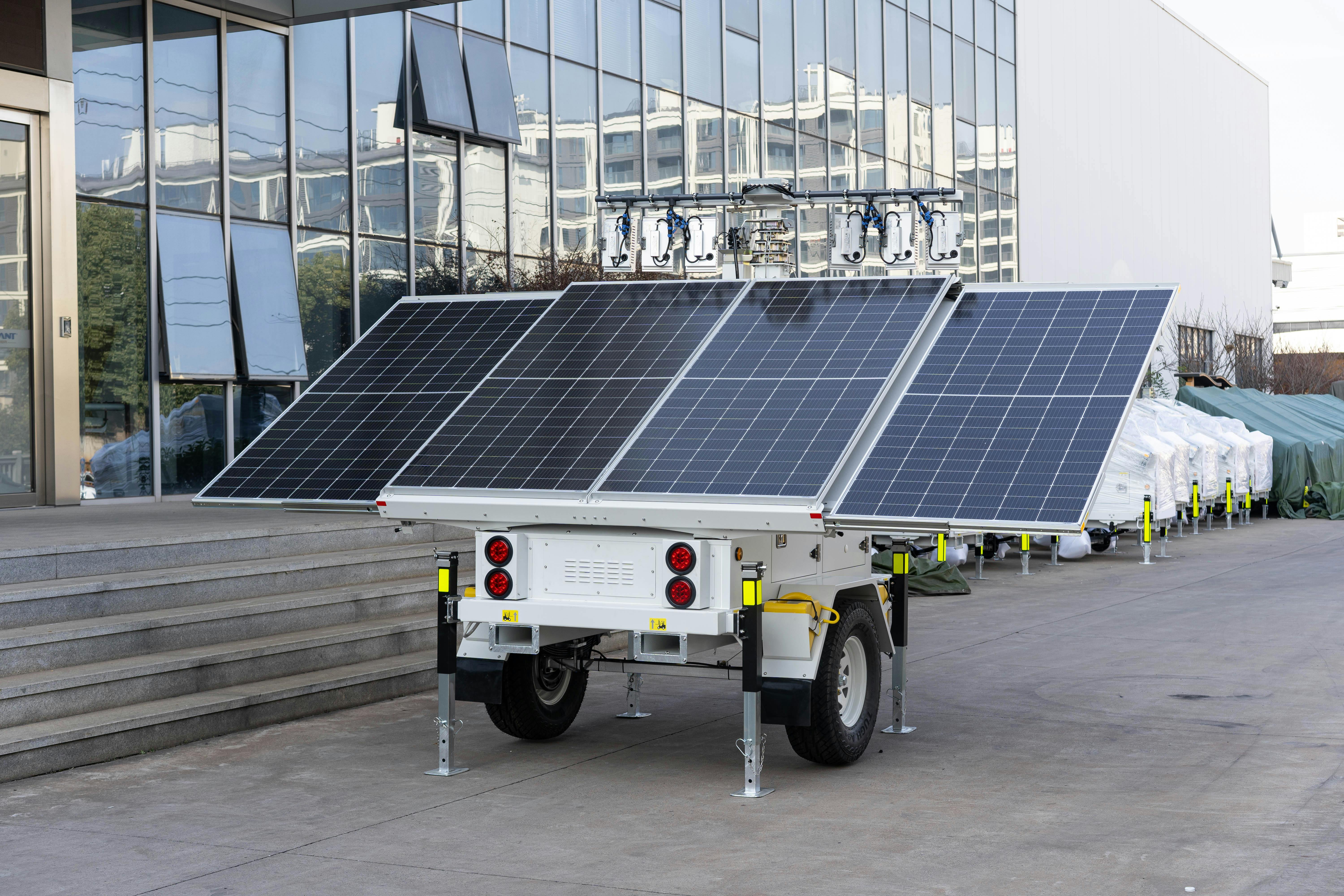
Complete energy independence systems for remote properties. Includes oversized battery banks, backup generators, and advanced power management.
$15,900
Select your preferred service above, then complete the form below. We'll respond within 24 hours with a detailed consultation schedule.
The information provided is for educational purposes and should not replace professional energy consultation. Individual results vary based on location, roof orientation, shading, and consumption patterns. System performance depends on weather conditions and proper maintenance. Consult with a certified solar installer to assess your specific situation. Savings projections are estimates based on current energy rates and average usage patterns. Government incentives and rebates are subject to change and eligibility requirements.